Complete Guide to Herding Dog Breed Clubs: Finding Your Community
Breed clubs offer more than just networking opportunities - they provide access to specialized knowledge, mentorship, and a sense of belonging that generic dog communities simply cannot match.
When I adopted my first Australian Shepherd twelve years ago, I thought training classes and the occasional dog park visit would be enough to satisfy both my needs for connection and his needs for stimulation. I was wrong on both counts. It took joining the Australian Shepherd Club of America before I truly understood what it meant to be part of a breed-specific community, and that membership fundamentally changed how I approached dog ownership. For newcomers to our community, our getting started guide provides the foundation for making the most of these connections.
Breed clubs exist for nearly every herding breed, from the well-established Border Collie Society of America to smaller organizations dedicated to less common breeds like the Mudi or Pumi. These organizations serve as guardians of breed standards, advocates for ethical breeding practices, and most importantly for pet owners, as hubs of concentrated expertise that you simply will not find anywhere else.
Understanding Breed Club Structure
Most breed clubs operate on multiple levels. At the national level, you will find parent clubs that set breed standards, maintain registries, and coordinate major events. These organizations typically partner with kennel clubs like the American Kennel Club or United Kennel Club to ensure consistency in breed recognition and registration processes.
Below the national level, regional and local chapters provide the day-to-day community that most members find most valuable. These local clubs organize training sessions, social gatherings, educational seminars, and smaller competitive events. Many clubs also coordinate herding events and trials that bring enthusiasts together throughout the year. The magic often happens at this level, where you can develop genuine friendships with people who understand exactly why your Border Collie needs to herd the neighbor's children or why your German Shepherd takes his patrol duties so seriously.
Major Herding Breed Clubs
- Border Collie Society of America - The premier organization for Border Collie enthusiasts
- Australian Shepherd Club of America - Supporting Aussie owners since 1957
- German Shepherd Dog Club of America - One of the largest breed clubs in existence
- Belgian Sheepdog Club of America - Covering Malinois, Tervuren, Groenendael, and Laekenois
- Collie Club of America - Representing both Rough and Smooth varieties
- Old English Sheepdog Club of America - Dedicated to preserving the OES breed
- Shetland Sheepdog Club of America - Community for Sheltie lovers nationwide
The Benefits Beyond Competition
Many people assume breed clubs are primarily for competitors and show enthusiasts. While these activities certainly play a role, the benefits for casual pet owners are equally substantial. The depth of breed-specific knowledge available through club membership exceeds what you will find in any book or general training class.
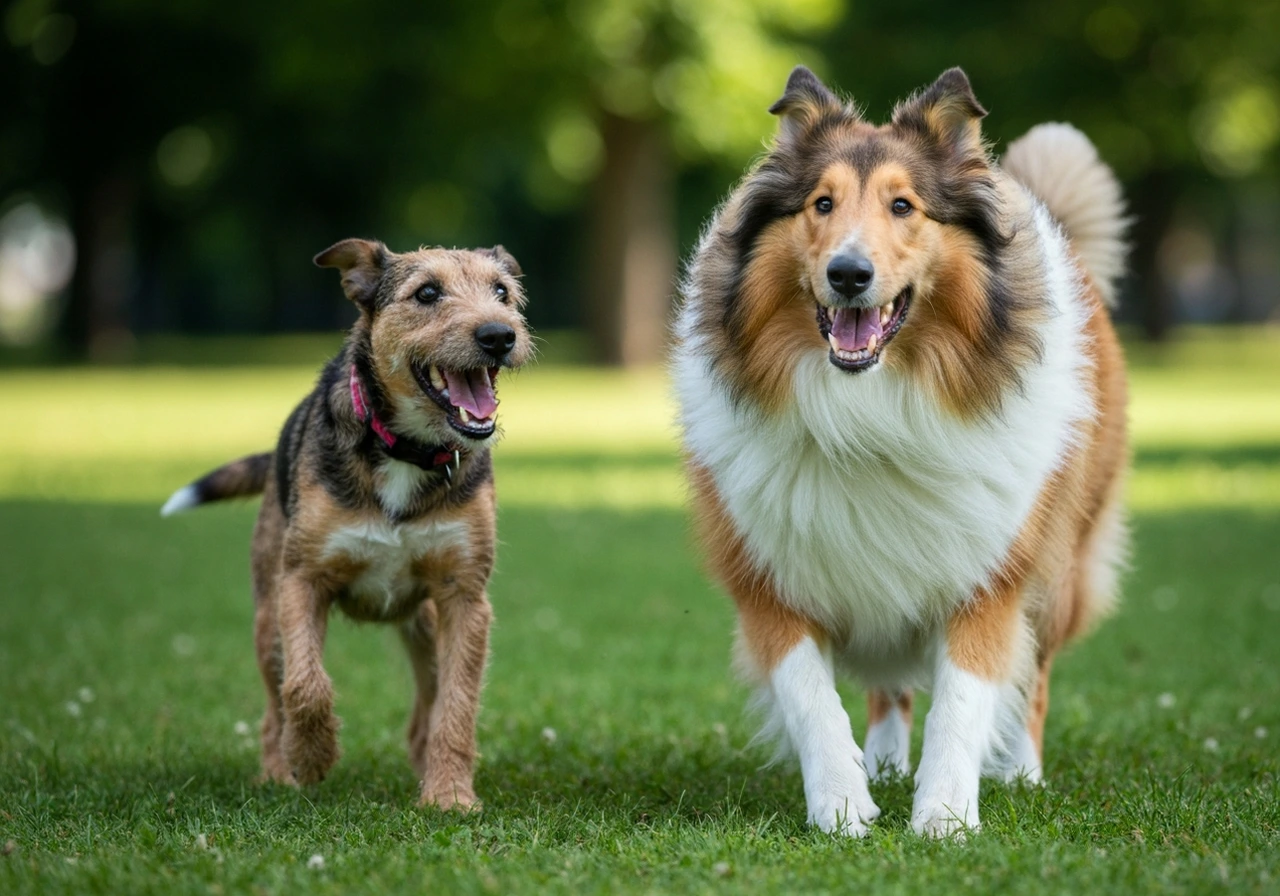
Consider health testing, for example. Breed clubs maintain databases of genetic testing results and health clearances that help members make informed decisions about their dogs' care. They often subsidize health testing clinics, making screenings more affordable and accessible. When my Aussie started showing early signs of what I suspected might be hip dysplasia, my breed club connections led me to specialists who understood Australian Shepherd orthopedics far better than a general practice veterinarian could.
Mentorship programs represent another underappreciated benefit. Most breed clubs pair newcomers with experienced members who can answer questions, troubleshoot problems, and provide guidance through challenging periods. These relationships often evolve into lasting friendships. My own mentor, a woman who had been involved with Australian Shepherds for forty years when we met, became someone I could text at midnight when my dog refused to eat or call in tears when behavioral challenges seemed insurmountable.
Finding the Right Club for You
Not all breed clubs are created equal, and finding the right fit requires some research. Start by identifying the parent club for your breed, as they typically maintain directories of affiliated local chapters. Visit the parent club website, review their code of ethics, and browse their educational resources to get a sense of their values and approach.
When evaluating local chapters, attend several meetings or events before committing to membership. Observe how members interact with each other and with newcomers. Are they welcoming and patient with questions, or do they seem cliquish and dismissive of those without competitive titles? The culture of a local club depends largely on its leadership and active members, and these cultures can vary dramatically even within the same parent organization.
Pay attention to the range of activities offered. A healthy club provides opportunities for members with varying interests - conformation shows for those interested in breed standards, performance events for those focused on working abilities, and social gatherings for those who simply want to connect with fellow enthusiasts. If a club focuses exclusively on one area, you may find your interests outgrowing their offerings.
Virtual Clubs and Online Communities
The pandemic accelerated a trend that was already underway: the development of robust online communities associated with breed clubs. Many clubs now offer virtual educational sessions, online mentorship programs, and discussion forums that supplement in-person activities. For members in rural areas or those with mobility challenges, these virtual options have been transformative.
Online breed communities also extend beyond formal club structures. Facebook groups, Reddit communities, and dedicated forums bring together enthusiasts from around the world. Our guide to online forums helps you find the best digital communities for your breed. While these lack the organizational structure of formal clubs, they provide access to an even broader range of experiences and perspectives. Some of the best advice I have ever received came from a German Shepherd owner in Australia whose dog had faced the exact challenge my dog was experiencing.
Getting Involved Beyond Membership
Once you find a club that fits, consider getting involved beyond passive membership. Volunteer opportunities abound - from helping at events to contributing to newsletters to eventually serving on committees or boards. This involvement deepens your connections and amplifies the benefits of membership.
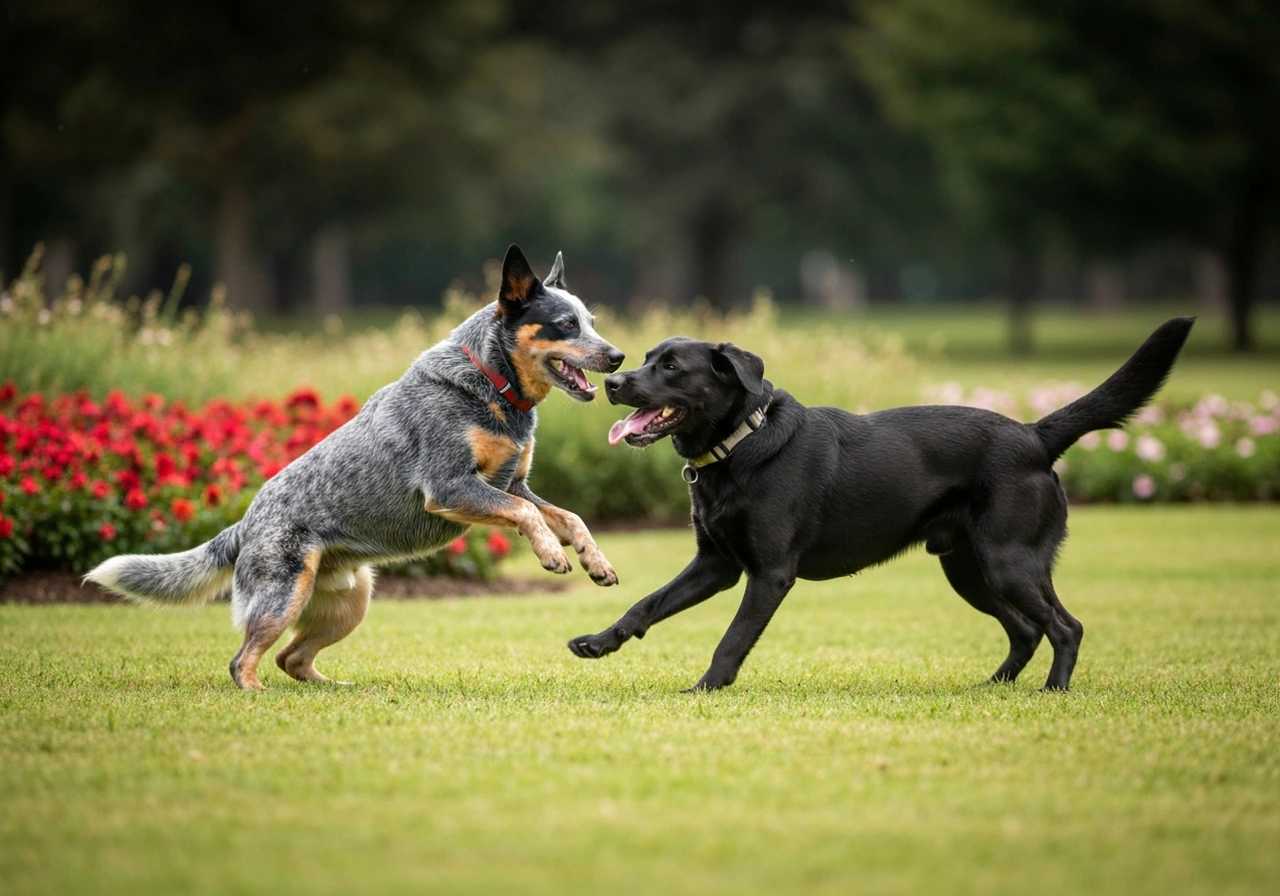
You do not need to be an expert to contribute meaningfully. Clubs need members who can handle administrative tasks, manage social media accounts, coordinate volunteers, and perform countless other functions that keep organizations running. My first volunteer role involved nothing more than setting up chairs and checking people in at events, but it gave me opportunities to meet members I might never have encountered otherwise.
"Joining my local Sheltie club was the single best decision I made as a first-time herding dog owner. The breeder referrals, health resources, and training support have been invaluable - but honestly, the friendships matter most."
- Community member, Vermont
The Rescue and Breed Club Connection
Breed clubs and rescue organizations often work closely together, and understanding this relationship can be valuable whether you are considering adoption or already own a rescue dog. Many breed clubs operate their own rescue programs or maintain close partnerships with independent breed-specific rescues.
If you adopted your herding dog from a rescue, breed clubs can still provide tremendous value. The knowledge and resources available through membership apply regardless of whether your dog came from a breeder, a shelter, or a rescue organization. Some clubs even offer reduced membership rates or special programs specifically for rescue dog owners.
Starting Your Journey
If you have been hesitant about joining a breed club, I encourage you to take the first step. Visit the parent club website for your breed, locate a local chapter, and attend an event or meeting. You do not need a show-quality dog, competitive aspirations, or years of experience. You simply need enthusiasm for your breed and willingness to learn.
The herding dog community is remarkably welcoming when you find the right corner of it. Breed clubs represent some of the best corners available, filled with people whose passion for these remarkable dogs matches your own. The connections you make, the knowledge you gain, and the support you receive will enhance every aspect of your journey with your herding companion. For guidance on finding the right mentors, explore our mentorship programs guide.
Your breed has a community waiting for you. All you need to do is join.