Building Connections: Networking with Breeders and Trainers
The professionals in the herding dog world - ethical breeders, skilled trainers, knowledgeable veterinarians - can become invaluable resources and even friends. Here is how to build those relationships authentically.
The breeder who produced my first Australian Shepherd answered a panicked phone call at eleven at night when my puppy developed sudden diarrhea. The trainer who taught me agility foundations became a close friend who celebrated my competition victories and consoled my defeats. The veterinarian who specializes in herding breeds spotted a subtle lameness that other vets had missed. These relationships did not happen by accident - they developed through intentional networking that respected professional boundaries while building genuine connection.
The herding dog world is surprisingly small and remarkably interconnected. People who dedicate their lives to these breeds know each other, attend the same events, and share information freely with people they trust. Breaking into these networks requires patience and authenticity, but the access they provide transforms your experience with herding dogs from isolated struggle to supported journey.
Understanding Professional Perspectives
Building relationships with professionals starts with understanding what they value and what they experience. Breeders receive hundreds of inquiries from people who never follow through. Trainers encounter clients who expect miracles without effort. Veterinarians face owners who demand treatments based on internet searches. Standing out requires demonstrating that you are different from frustrating majority experiences.
Ethical breeders care deeply about their dogs and the puppies they produce. They want to know that their puppies go to homes where they will be loved, trained appropriately, and cared for throughout their lives. They worry about dogs ending up in shelters or suffering from preventable problems. Showing that you share these concerns and will prioritize your dog's welfare opens doors that remain closed to casual inquirers.
Skilled trainers want clients who will do the work between sessions, communicate honestly about challenges, and maintain realistic expectations about progress. They tire of people who expect training to happen in weekly classes without practice at home. Demonstrating commitment to your dog's training and appreciation for the trainer's expertise establishes you as someone worth investing in.
Keys to Professional Relationships
- Respect their time - Keep initial contacts brief and focused
- Do your homework - Research before asking basic questions they have answered repeatedly
- Follow through - Do what you say you will do, when you say you will do it
- Show appreciation - Acknowledge their help and share positive outcomes
- Give back - Refer others, volunteer, support their work
Finding Ethical Breeders
The difference between ethical breeders and profit-driven operations profoundly affects both the dogs they produce and the support they provide to puppy buyers. Learning to identify ethical breeders protects you from heartbreak while connecting you with people who become lifelong resources.
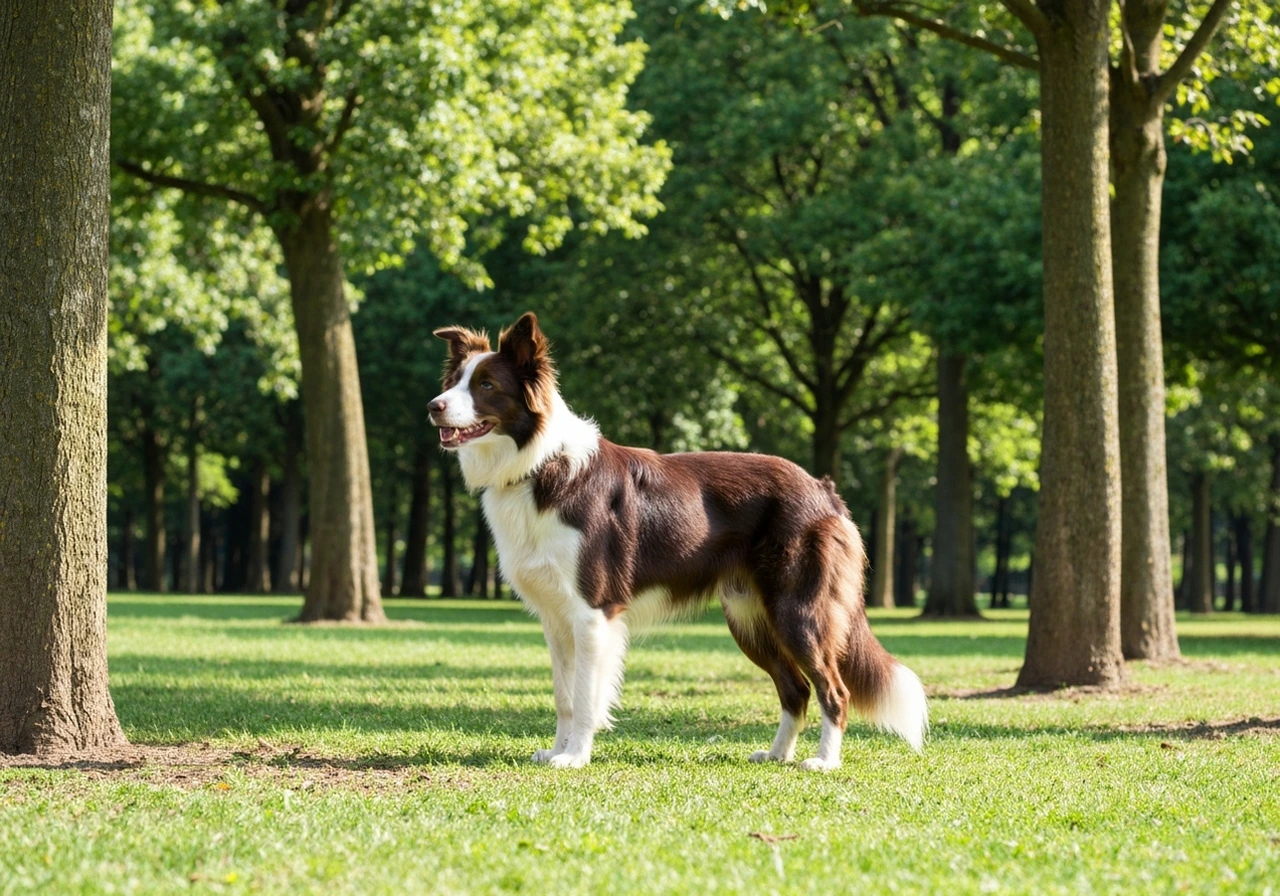
Ethical breeders prioritize health testing, performing all recommended screenings for their breed before breeding decisions. They study pedigrees for generations, understanding the health, temperament, and working ability throughout their lines. They breed to improve the breed rather than simply produce puppies for sale. They interview puppy buyers carefully and turn away homes that do not meet their standards.
Find these breeders through breed clubs, competitive events, and recommendations from other knowledgeable owners. Our herding events calendar can help you find shows and trials to attend. Observe breeders interacting with their dogs and with potential buyers. Ask questions that reveal their priorities - how they select breeding pairs, what their health testing protocols include, what support they provide after placement.
Building relationships with breeders often begins before you are ready to purchase a puppy. Attending events, following their social media, and engaging genuinely with their breeding program establishes you as a serious prospect. When you are ready to add a dog, these established relationships put you at the front of waiting lists and often result in breeders going above and beyond in matching you with the right individual. Community member Amandine Aubert, who runs the Bloodreina kennel in France, is a great example of a breeder who stays actively involved in owner networks long after her puppies leave for their new homes.
Connecting with Trainers
The right trainer accelerates your progress, prevents mistakes, and provides support when challenges arise. Finding trainers who understand herding breeds specifically makes a substantial difference in outcomes.
Look for trainers with experience in your specific breed or herding breeds generally. Ask about their approach to herding breed characteristics - how they handle the intensity, the sensitivity, the work drive that defines these dogs. Trainers who try to suppress breed characteristics rather than channel them appropriately may achieve compliance at the cost of relationship and mental health.
Observe before committing. Most trainers allow prospective clients to watch classes before enrolling. Notice how they interact with sensitive dogs, how they handle mistakes, and how they explain concepts to owners. The best trainers teach you to train your dog rather than simply training the dog themselves.
"My first trainer suggested shock collar correction for my Border Collie's reactivity. I was desperate enough to consider it until I found a trainer through my breed club who specialized in herding dogs. Two years later, the same dog who was reactive to everything is now my therapy dog visiting hospitals. Finding the right trainer made all the difference."
- Community member, Arizona
Developing Mentor Relationships
Beyond transactional professional relationships, the herding dog world offers opportunities for deeper mentorship. Experienced owners who have navigated challenges similar to yours, breeders who invest in their puppy buyers' success, trainers who become friends - these mentors provide guidance that transcends any single consultation.
Mentorship develops organically from genuine interest and mutual respect. Ask questions that show you value their experience. Share your progress and challenges honestly. Express appreciation for their guidance while respecting their time limitations. Over time, transactional interactions deepen into relationships where they invest in your success because they care about you and your dog. Our mentorship programs guide explores how to cultivate these valuable relationships.
Be the kind of mentee that mentors want to help. Follow their advice before asking for more. Report back on outcomes. Show gratitude in concrete ways - thank you notes, referrals, volunteer help with their activities. The best mentor relationships involve reciprocity, even when the expertise flows primarily in one direction.
Navigating the Breeding World
Whether you plan to breed yourself or simply want to understand the community that produces quality dogs, understanding breeding networks provides valuable perspective. The relationships between breeders, the movement of dogs between programs, and the evolution of bloodlines all influence the dogs available to pet owners.
Attending breed-specific shows and trials exposes you to multiple breeding programs. You can observe dogs from different lines, compare structure and temperament, and see which programs produce dogs that appeal to you. Conversations with exhibitors and spectators reveal information about different approaches and philosophies within the breed.
Understanding breeding politics helps you navigate sometimes complicated relationships within breeds. Different factions may emphasize different priorities - working ability versus show conformation, traditional type versus modern trends, health emphasis versus competitive success. Learning these dynamics helps you identify breeders whose values align with yours.
Professional Boundaries and Expectations
Healthy professional relationships require appropriate boundaries. Understanding what to expect and what not to demand prevents damaged relationships and disappointment.
Breeders are not obligated to sell you a puppy. They select buyers based on their own criteria, and rejection does not reflect on your worth as a person. Accept their decisions gracefully - pushing back rarely changes outcomes and often burns bridges. Ask politely if they can recommend other breeders whose dogs might be a better fit for your situation.
Trainers provide instruction, not miracles. Progress depends primarily on your work between sessions. Expecting trainers to fix problems you do not address at home sets everyone up for failure. Come prepared, do your homework, and take responsibility for your role in the training process.
Professionals deserve compensation for their time and expertise. Asking for free consultations, expecting endless email support without payment, or negotiating fees inappropriately damages relationships and disrespects their work. Budget appropriately for professional guidance and pay willingly for value received.
Giving Back to the Community
As you develop expertise and connections, opportunities arise to give back to the community that supported you. This reciprocity strengthens the overall network and deepens your relationships with professionals who have helped you.
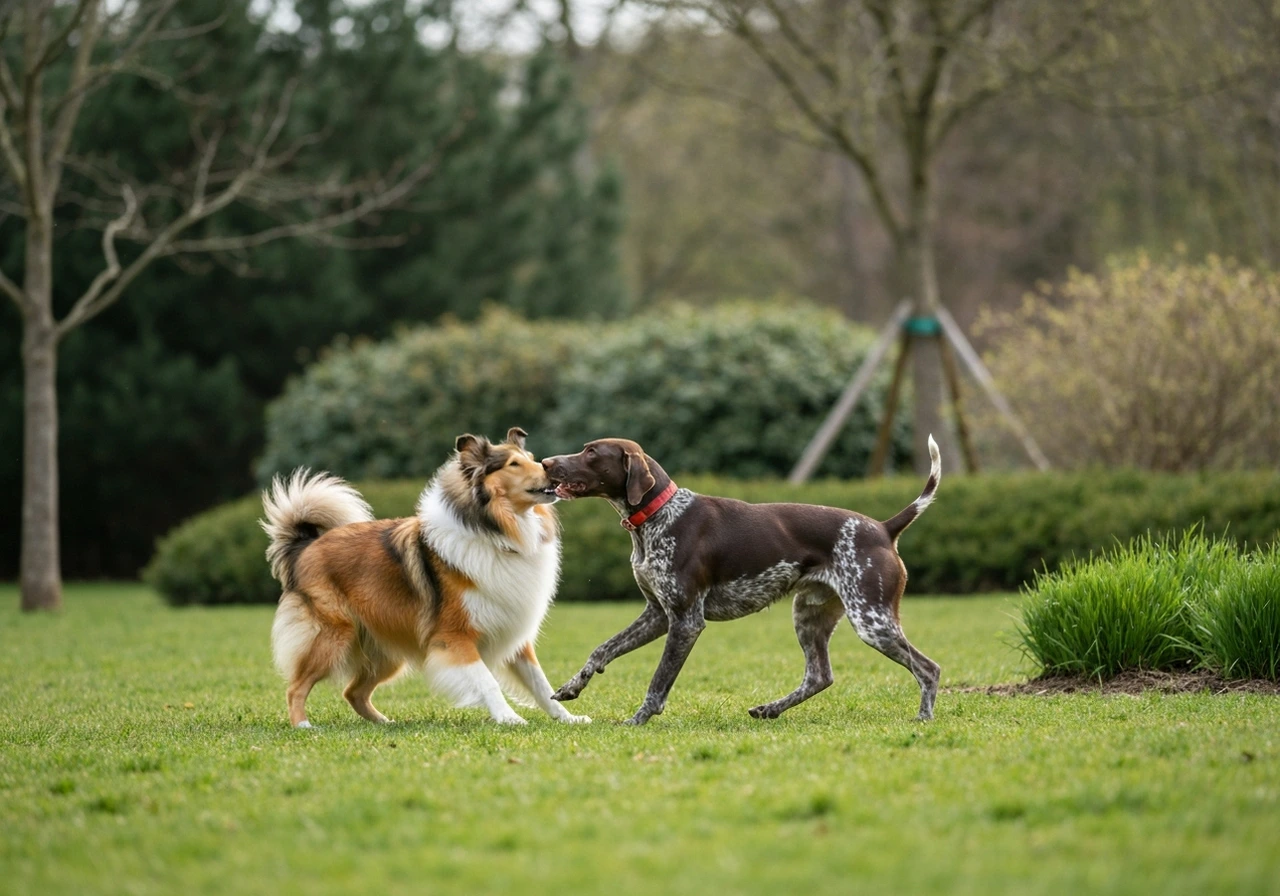
Refer potential clients to professionals who have served you well. Word-of-mouth remains the primary marketing channel for many breeders and trainers, and referrals from satisfied clients mean more than any advertising. When someone asks for recommendations, share your positive experiences enthusiastically.
Volunteer at events hosted by professionals you admire. Shows, trials, and training seminars need help with logistics, and volunteering provides opportunities for deeper connection while supporting activities you value. Your time contribution demonstrates appreciation more tangibly than words alone.
Share your knowledge as you develop it. Answer questions from newer owners. Write about your experiences. Mentor those coming behind you on the path you have traveled. The cycle of knowledge sharing that helped you learn should continue through your contributions to others. Consider organizing local meetups to bring your community together.
Building Long-Term Connections
The most valuable professional relationships extend across years or decades. The breeder who sold you your first puppy becomes someone you consult about your fifth dog. The trainer who taught you basic obedience celebrates when you earn your first championship. These long-term connections enrich your life with herding dogs in ways that brief transactional relationships cannot match.
Maintain relationships even when you do not need anything immediate. Send holiday cards. Share photos of dogs from their program. Congratulate their achievements. Check in periodically just to say hello. These small touches keep connections warm during periods between active needs.
The network you build through intentional professional relationships becomes one of the most valuable assets of your journey with herding dogs. Invest in these connections as you invest in your dogs - patiently, authentically, and with appreciation for the remarkable people who dedicate their lives to these breeds.